Basil after soil sterilization: common error and correct protocol
If you grow basil in a greenhouse, you probably sterilize the soil to eliminate pathogens and start clean.
So far, so good.
The problem arises immediately afterward.
Many growers leave the soil completely devoid of beneficial microbial life.
At first, everything seems perfect.
Then, problems start to appear:
- slowed growth
- root rot
- increased susceptibility to fungi and stress
This is not random. It's a direct consequence of post-sterilization management.
What really happens after sterilization
Sterilization doesn't distinguish between beneficial and harmful organisms.
It indiscriminately eliminates:
- pathogens
- beneficial microorganisms
The result is sterile soil, without natural defenses.
In these conditions, the first organism that arrives colonizes the environment.
And often it's not the right one.
Common error in basil cultivation
After sterilization, in most cases, the process is as follows:
- transplanting
- irrigation
- standard management
Or, intervention only occurs when the problem is already visible.
This approach leaves the most delicate phase exposed:
the beginning of the vegetative cycle
And that's precisely where pathogens find their opportunity.
The correct approach: colonize before pathogens
After sterilization, the soil must be immediately re-colonized with beneficial microorganisms.
It's not an extra treatment.
It's the basis of management.
If you don't do it, the environment will, in an uncontrolled way.
Recommended protocol for greenhouse basil
First phase – Before transplanting
Objective: activate beneficial microbial life and protect the root from the outset.
Application in trays or directly into the substrate.
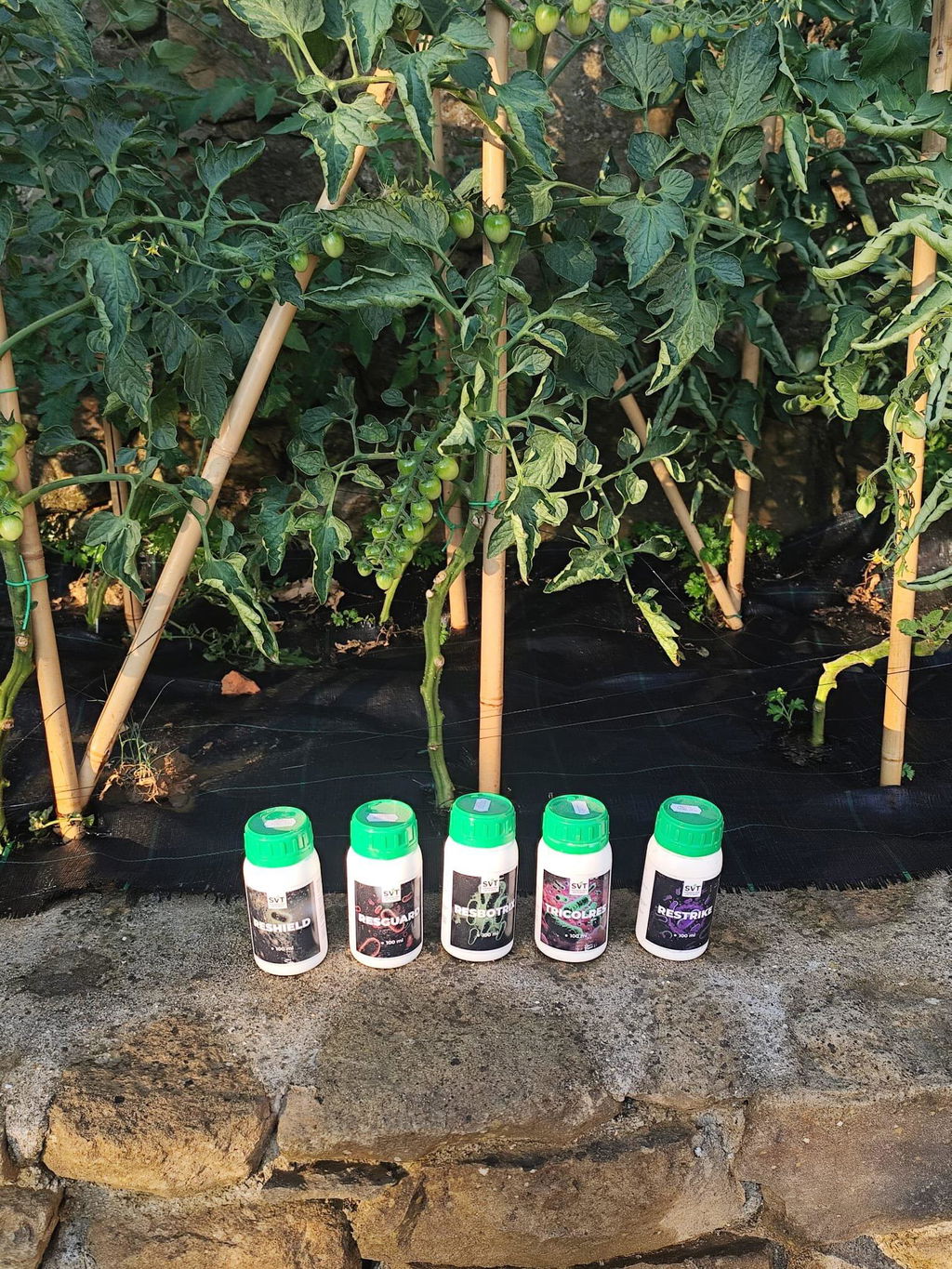
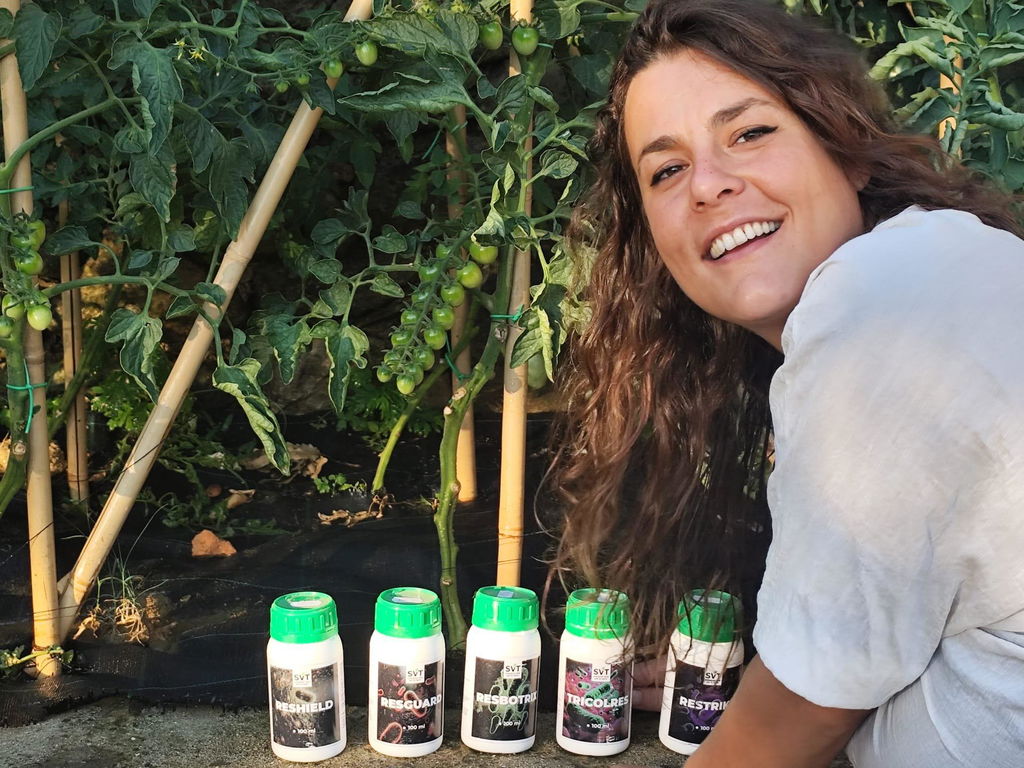
Use of TRICOLRES
Promotes rhizosphere colonization and creates natural competition against soil pathogens.
Second phase – First few weeks
Objective: avoid stress and contain conditions favorable to molds and insects.
Foliar treatments with:
At this stage, the plant is still weak and needs support.
Third phase – Active growth
Objective: maintain biological balance and continuity in protection and production.
Alternate:
Continuity is what makes the difference.
Why this approach works?
The difference is not the individual treatment, but the strategy.
Those who intervene after the problem are playing catch-up.
Those who act beforehand, prevent.
In basil, where cycles are rapid, this difference directly translates into production.
Expected results
With correct management after sterilization:
- faster root development
- lower incidence of pathogens
- more uniform growth
- reduction of corrective interventions
Sterilization is just the first step.
Without proper recolonization, the soil remains exposed.
Managing it correctly means guiding crop development from the start.
In basil, this step is crucial.
visit the website to discover this month's special offers for you!